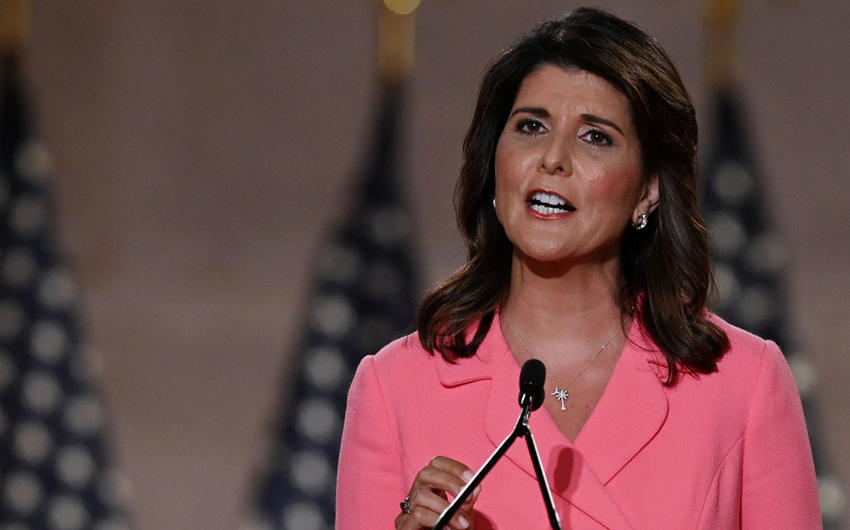
Nikki Haley Biography, Career Highlights, Family Life And What She’s Doing Now
If you’re searching Nikki Haley, you’re probably trying to understand how she went from South Carolina politics to national influence—and what her career looks like now. She’s a Republican politician and former diplomat who became nationally known as South Carolina’s governor and later as U.S. ambassador to the United Nations. In recent years, she expanded her profile even more by running for president, then shifting back into policy work and public leadership roles.
Quick Facts About Nikki Haley
- Full name: Nimarata “Nikki” Randhawa Haley
- Born: January 20, 1972
- Hometown: Bamberg, South Carolina
- Education: Clemson University (B.S.)
- Party: Republican
- Major roles: Governor of South Carolina (2011–2017); U.S. Ambassador to the United Nations (2017–2018)
- Spouse: Michael Haley
- Children: Two (Rena and Nalin)
- Current work (widely reported): Foreign-policy leadership role at the Hudson Institute
Who Is Nikki Haley?
Nikki Haley is an American politician and diplomat who built her reputation on a mix of state-level leadership and international visibility. To many voters, she represents a particular style of Republican leadership: business-minded, policy-focused, and comfortable speaking to both traditional conservatives and more centrist audiences—especially on foreign policy and national security.
Her career stands out because she didn’t rise through Washington first. She became prominent through state politics, used that platform to gain national attention, then moved into a cabinet-level role as U.N. ambassador. That path shaped her image as someone who can operate both “locally” and “globally,” a mix that has fueled her national ambitions.
Early Life And Background
Haley was born and raised in South Carolina in a family with Indian roots. Her background has been a visible part of her public identity, especially because she became one of the most prominent Indian American Republicans in modern U.S. politics. She has often spoken about her upbringing as a child of immigrants and how that influenced her views on work ethic, opportunity, and the American dream.
Before politics, she was involved with her family’s clothing business. That business experience became part of her political brand later, especially when she leaned into themes like job growth, regulation, and economic development.
How Nikki Haley Entered Politics
Haley’s early political rise came through the South Carolina House of Representatives, where she built a reputation as a reform-minded lawmaker. Over time, she positioned herself as a conservative who could talk about accountability, spending, and government efficiency without sounding like a career insider.
That reputation helped her take a bigger leap: running for governor. Winning statewide office made her a national figure quickly, because it gave her executive experience and put her in the spotlight during major events that demanded visible leadership.
Governor Of South Carolina What She Was Known For
As South Carolina’s governor, Haley became known for an emphasis on economic development, business recruitment, and projecting the state as attractive for investment. In practical terms, that meant focusing on jobs, business climate, and public messaging that signaled stability to corporations and long-term employers.
Her governorship also included moments that pushed her beyond state politics. When national crises or major tragedies impact a state, a governor becomes the face of leadership—whether they want that attention or not. Haley’s national recognition grew during these moments because people outside South Carolina began paying attention to how she communicated under pressure.
U.S. Ambassador To The United Nations Why That Role Changed Everything
Haley’s appointment as U.S. ambassador to the United Nations gave her a global platform that few governors ever get. It also reshaped how the public perceived her. At the state level, you’re often judged on budgets, jobs, and local controversies. At the U.N., you’re judged on national security, diplomacy, and how you represent American interests on the world stage.
In that role, Haley developed a public identity strongly connected to:
- foreign policy messaging that emphasized U.S. strength and alliances
- national security framing that appealed to conservative voters
- direct communication style that worked well in televised statements and debates
Even after leaving the U.N. role, that “international leader” image stayed attached to her, and it became a major asset when she later ran for president.
Nikki Haley’s 2024 Presidential Run And What It Signaled
Haley ran for president in the 2024 election cycle as a Republican challenger to the dominant front-runner in the primary field. Her campaign positioned her as a serious alternative focused on electability, generational change, and a more traditional national-security approach.
Even if you didn’t agree with her politics, her run signaled something important: she wanted to move from “major Republican figure” to “possible party leader.” Campaigns do that. They test your message, build your donor network, and put your name in the category of future contenders—whether you win or not.
She ultimately suspended her campaign in March 2024 after the primary results made a path to the nomination unrealistic. But the campaign wasn’t a political dead end. It elevated her profile, expanded her national base, and kept her relevant for future leadership opportunities.
What Nikki Haley Is Doing Now
After the presidential campaign, Haley transitioned into a high-profile policy role in Washington’s think-tank world. She has been widely reported as taking a leadership position focused on foreign policy and national security at the Hudson Institute, a move that fits her brand: international issues, defense priorities, and global strategy.
This kind of role typically involves public speaking, writing and shaping policy ideas, advising leaders, and staying engaged in national debates without holding elected office. It’s also a common “next step” for politicians who may want to remain influential—and keep doors open—without jumping straight into another campaign.
Nikki Haley’s Political Style And Why She Polarizes People
Haley tends to land in a specific lane that can attract supporters and critics at the same time. She often emphasizes:
- a business-first mindset on economic issues
- strong foreign policy and defense messaging
- direct, disciplined communication compared to more chaotic political styles
To supporters, that reads as competence and seriousness. To critics, it can read as overly calculated or too aligned with establishment power. Either way, she’s rarely ignored—which is part of why she remains a constant topic in national political conversation.
Nikki Haley’s Husband And Family Life
Nikki Haley is married to Michael Haley, and their relationship is often highlighted because it blends “normal family life” with military service and public responsibilities. Michael has served in the South Carolina National Guard, and his deployments became part of her public narrative—especially during the period when she was running for president.
They have two children, Rena and Nalin. Haley tends to share family moments selectively, not constantly. She’s visible enough that the public knows the basics, but private enough that you don’t feel like she’s turning her children into political props 24/7.
Why Nikki Haley Keeps Coming Up In 2026 Political Talk
Even outside an active campaign, Haley’s name continues to surface in political discussions for a few simple reasons:
- She has executive experience as a governor, which parties value.
- She has global credentials from her U.N. role, which differentiates her from many domestic-focused politicians.
- She built a national donor network during her presidential run.
- She fits the “future contender” profile for people who want fresh leadership without leaving the Republican mainstream entirely.
That combination keeps her in the conversation whenever people speculate about the party’s direction, future leadership, or the next big primary cycle.
The Big Picture
Nikki Haley’s story is basically a case study in modern political climbing: build credibility locally, prove you can lead in a crisis, gain national office-level exposure through a high-profile appointment, then test your national viability through a presidential run. Whether you support her or not, the strategy has been effective in one major way—she remains politically relevant and widely recognized.
And that’s the main reason people keep searching her name. She isn’t just a former governor or a former ambassador. She’s a public figure who still has a platform, still influences debate, and still looks like someone who may have more chapters ahead.
Featured image source: https://edition.cnn.com/politics/nikki-haley-fast-facts