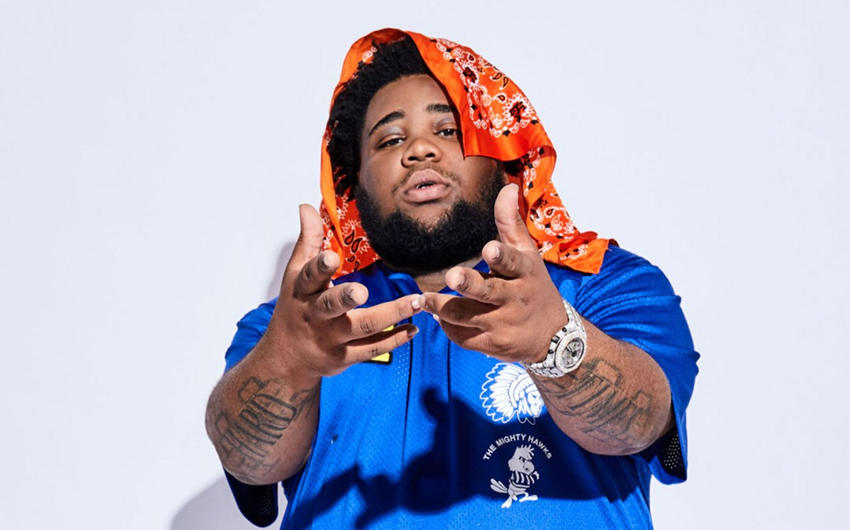
Rod Wave Net Worth In 2026 Explained: From Streaming Hits To Touring Money
If you’re searching Rod Wave net worth, you’re really asking a bigger question: how does an artist who pours pain into music turn that emotion into millions? Rod Wave’s money comes from the same places most major artists earn—streaming, touring, merch, publishing, and brand leverage—but his success is uniquely tied to one thing: fans replay his songs like therapy. That kind of loyalty can create serious income year after year.
Because record deals and tour splits aren’t fully public, you won’t find one perfectly verified number. Still, you can get a realistic picture by looking at how his career is built and what revenue streams he consistently taps.
Quick Facts About Rod Wave
- Real name: Rodarius Marcell Green
- Known as: Rod Wave
- Born: August 27, 1995
- Hometown: St. Petersburg, Florida
- Sound: Emotional rap with R&B melodies (often called “trap-soul”)
- Label: Alamo Records
- Big breakout: “Heart on Ice”
Rod Wave Net Worth In 2026 A Realistic Range
As of 2026, Rod Wave net worth is most realistically discussed as a range rather than one exact figure. A common, reasonable estimate places him around $4 million to $10 million, depending on how you count touring advances, publishing value, and assets versus ongoing expenses.
Here’s why a range is the honest answer:
- Music contracts are private. You don’t know his exact split with the label, distributors, managers, and producers.
- Touring money can look huge on paper. But tours have major costs and revenue splits.
- Net worth isn’t income. One great year doesn’t instantly equal massive wealth if you’re also paying taxes, overhead, and fees.
- Online estimates vary wildly. Many sites copy each other or guess based on fame, not financial records.
So instead of chasing one “perfect” number, the smart move is understanding how he earns and why his net worth keeps growing.
How Rod Wave Makes His Money
1 Streaming Royalties The Engine Behind His Wealth
Rod Wave is built for streaming. His songs are emotional, replay-heavy, and album-focused—meaning fans don’t just listen once. They loop tracks. They sit with albums. They come back during hard seasons. That listening behavior is exactly what creates steady streaming income over time.
Streaming revenue comes from multiple layers:
- platform payouts (Spotify, Apple Music, YouTube Music, etc.)
- label and distribution splits
- master recording ownership terms (which can change what the artist ultimately keeps)
- catalog performance (older songs that keep pulling streams)
Even if streaming pays “small per play,” the volume Rod Wave generates can turn into very serious money—especially when your catalog stays in rotation for years.
2 Album Sales And First-Week Success
Rod Wave is one of the rare modern artists whose fans still show up for full albums, not just singles. That matters because strong album performance boosts:
- royalty potential
- negotiating power for future deals
- tour demand (bigger venues, bigger guarantees)
- brand value (your name becomes “proven,” not just trending)
His discography includes multiple major releases that kept him chart-relevant and helped him build a loyal base that follows the entire project, not just the viral track.
3 Touring The Biggest Payday With The Biggest Costs
For many artists, touring is where the real money is—especially once you’re selling out arenas. Rod Wave’s touring power has been widely talked about because he can pull huge crowds, and promoters don’t gamble at that scale unless the demand is real.
That said, touring money isn’t “keep it all” money. A tour has expensive moving parts:
- venue cuts and promoter splits
- staff payroll (security, stage crew, techs, managers)
- travel, hotels, buses, flights
- production costs (sound, lighting, visuals)
- insurance, permits, and logistics
So even if you hear jaw-dropping numbers attached to shows, remember: that’s often the gross or a headline figure, not what ends up in his pocket after everyone gets paid.
4 Merch Sales A Quiet Wealth Builder
Merch is one of the most overlooked income streams for artists, and it’s also one of the most brand-driven. Rod Wave’s fanbase is emotionally invested, which makes merch feel less like a product and more like belonging. When fans buy hoodies, tees, or tour items, that money can be meaningful—especially when combined with touring.
Merch income depends on:
- how much inventory you move
- your pricing strategy
- your profit margins
- who handles fulfillment (in-house vs. partners)
If you’re selling merch both online and on the road, it becomes a consistent extra layer on top of streaming and ticket revenue.
5 Publishing Royalties The Long-Term Money
Publishing is where music starts acting like real estate. When you write songs, you earn publishing royalties that can keep paying long after the initial release. This includes:
- performance royalties (radio, live venues, public play)
- mechanical royalties (reproduction of the composition)
- sync opportunities (music used in TV, film, commercials—when applicable)
Rod Wave’s music is highly personal, so he’s not the type of artist whose songs are automatically used in cheerful commercials. But publishing still matters because his catalog has massive replay value.
6 YouTube Revenue And Visual Catalog
YouTube can be a strong earner for artists because it combines ads, long-term video views, and constant discovery. Rod Wave’s videos and audio uploads can keep producing income even when he isn’t actively promoting a new single—especially if fans share older songs during viral moments or emotional trends.
YouTube earnings vary widely based on views, ad rates, geography of viewers, and how rights are structured, but it remains a meaningful piece of the puzzle for major artists.
Rod Wave’s Career Growth Why His Brand Prints Money
Rod Wave didn’t build his career like a typical “club hit” rapper. His lane is emotional storytelling, vulnerability, and melodic pain—music that people connect to when they’re alone, not just when they’re out. That creates a different kind of fan loyalty: less casual, more committed.
When your audience feels like your music understands them, they don’t just stream the single. They follow the journey. That’s why Rod Wave has been able to keep dropping full projects and still pull major attention.
Key Projects That Strengthened His Earning Power
Rod Wave’s biggest financial strength is his catalog. Each major album adds more songs to the “forever playlist” of fans who replay his music during real life. Over time, that catalog becomes an asset—one that continues to produce revenue even when he’s not in an active rollout.
His major projects helped him in three ways:
- more streaming volume: more songs, more replay, more money
- tour demand: bigger catalog means longer setlists and bigger shows
- leverage: consistent success strengthens contract and deal negotiating power
Why Rod Wave Net Worth Estimates Often Feel “Off”
If you’ve seen one site say $4 million and another say $18 million, here’s why the internet can’t agree:
- People confuse gross earnings with net worth. Gross is before costs. Net worth is assets minus liabilities.
- Advances get misunderstood. A tour or label advance isn’t always “free money.” Often it has conditions or recoupment.
- Legal and business costs exist. Management fees, legal teams, security, and taxes can be huge for touring artists.
- Artists invest behind the scenes. Some money gets put into property, family support, business moves, or future projects.
So when you see an ultra-specific number, treat it as a guess. The more honest approach is understanding the range and the revenue structure.
Rod Wave’s Lifestyle And Spending What Usually Impacts Wealth
Rod Wave’s public image isn’t built around constant flashy luxury content, but like many successful artists, he has visible signs of wealth—cars, jewelry, and a lifestyle that reflects major earnings. At the same time, artists at his level often spend heavily on things most people never see:
- security and personal protection
- travel teams and daily logistics
- health, recovery, and performance support
- studio time, producers, engineers, and creative staff
That means even when the money is big, the expenses can be big too. Net worth grows fastest when career success is matched with smart financial management.
What Could Increase Rod Wave Net Worth Next
If Rod Wave keeps doing what he’s already good at—dropping albums that fans replay for years—his net worth will likely keep climbing. But the biggest accelerators usually come from:
- larger tours with stronger margins (better routing, stronger production efficiency)
- smart publishing and catalog strategy (long-term ownership decisions)
- select brand partnerships that fit his image without feeling forced
- business expansion (investments outside music, if chosen wisely)
The main risk factors are the same ones that hit many artists: expensive touring complications, legal costs, or deals that look great short-term but reduce long-term ownership.
Bottom Line
Rod Wave net worth in 2026 is best viewed as a realistic range—roughly $4 million to $10 million—driven by massive streaming numbers, strong album performance, high-demand touring, merch sales, and publishing income. The exact number is hard to confirm because contracts and splits are private, but the bigger picture is clear: Rod Wave has built a career on loyalty, replay value, and emotional connection, and those factors create the kind of consistent revenue that turns an artist into a long-term millionaire.
Featured image source: https://www.xxlmag.com/rod-wave-type-beat-2021/